1973 in Hi-Fi
(20 ads)
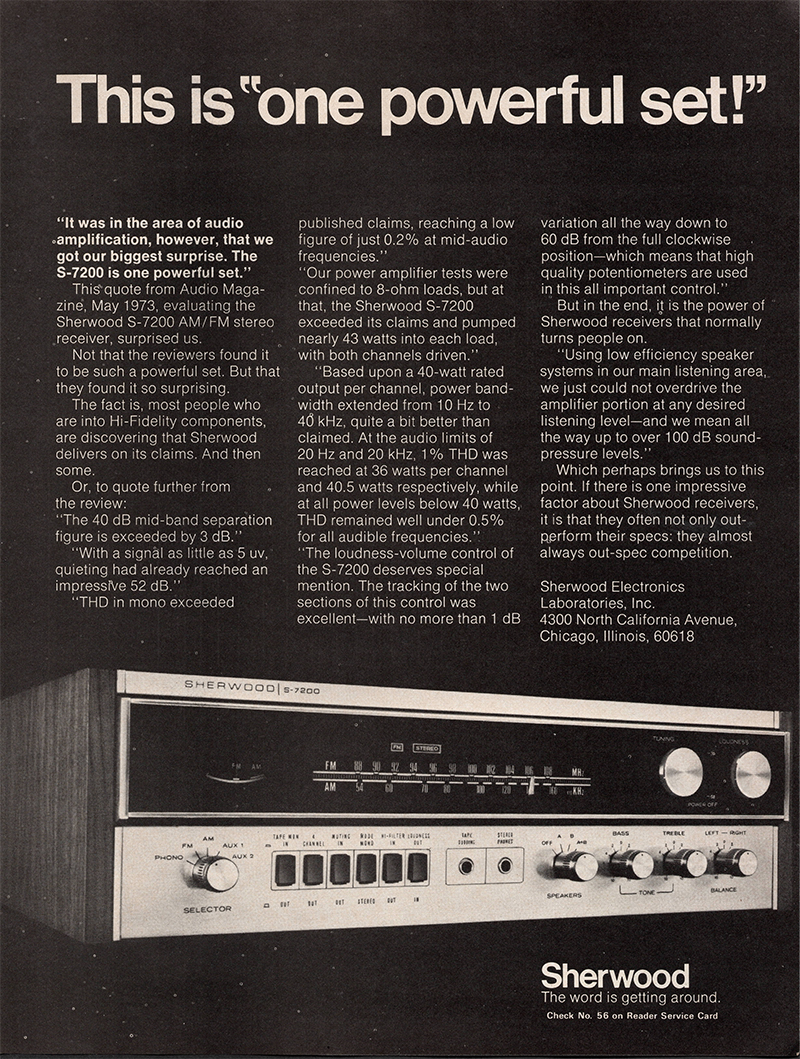
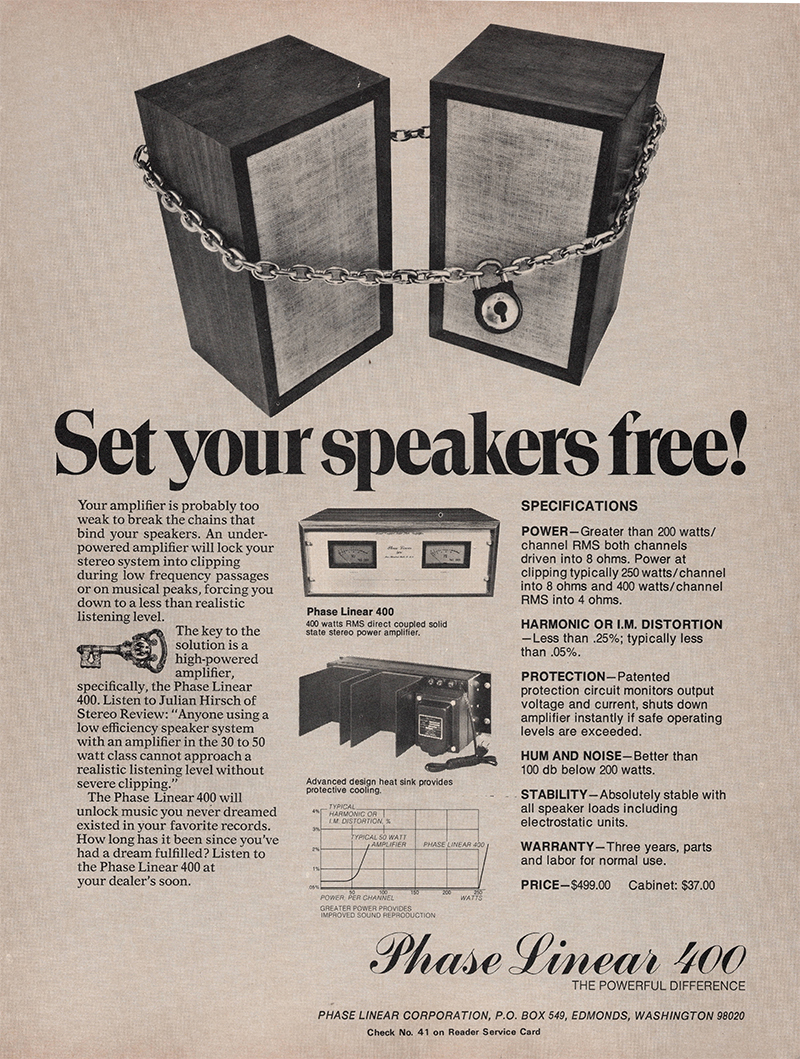
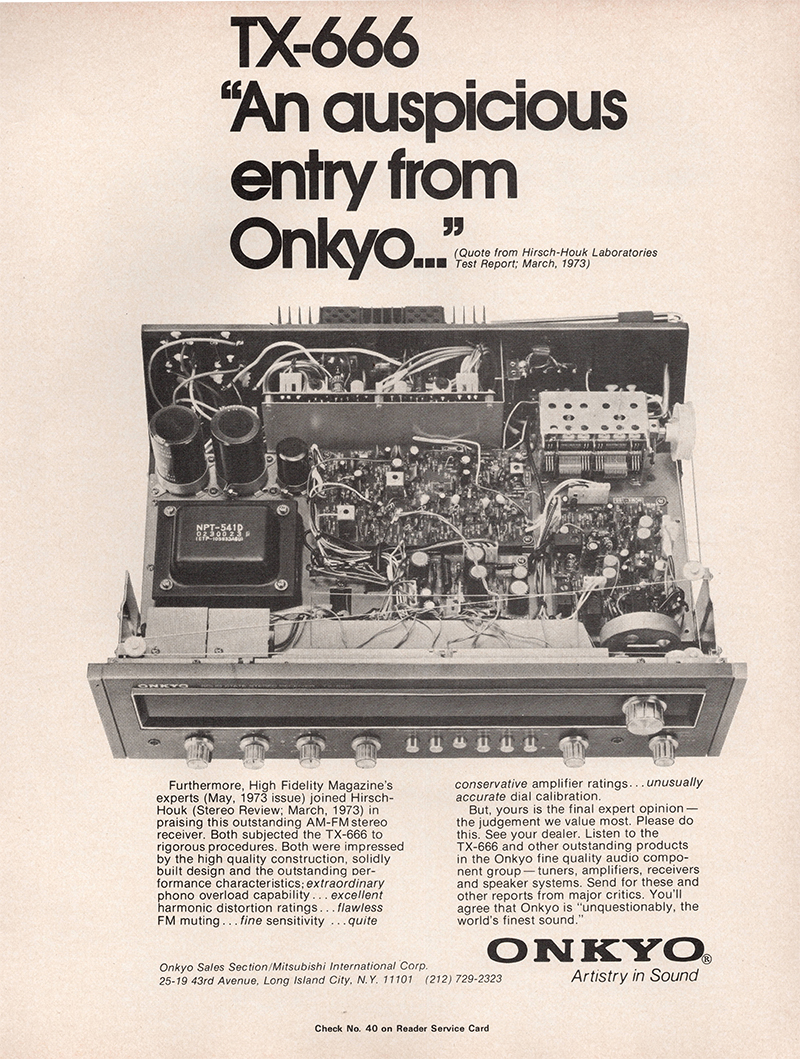
1973 opens with the receiver-era boom still building, but it's also the year the oil crisis hit — OPEC's embargo that October sent prices climbing across the economy, and consumer electronics were no exception. Manufacturers who'd spent the early '70s racing to add power and features to their component lines now faced a tighter, more cost-conscious market heading into 1974.
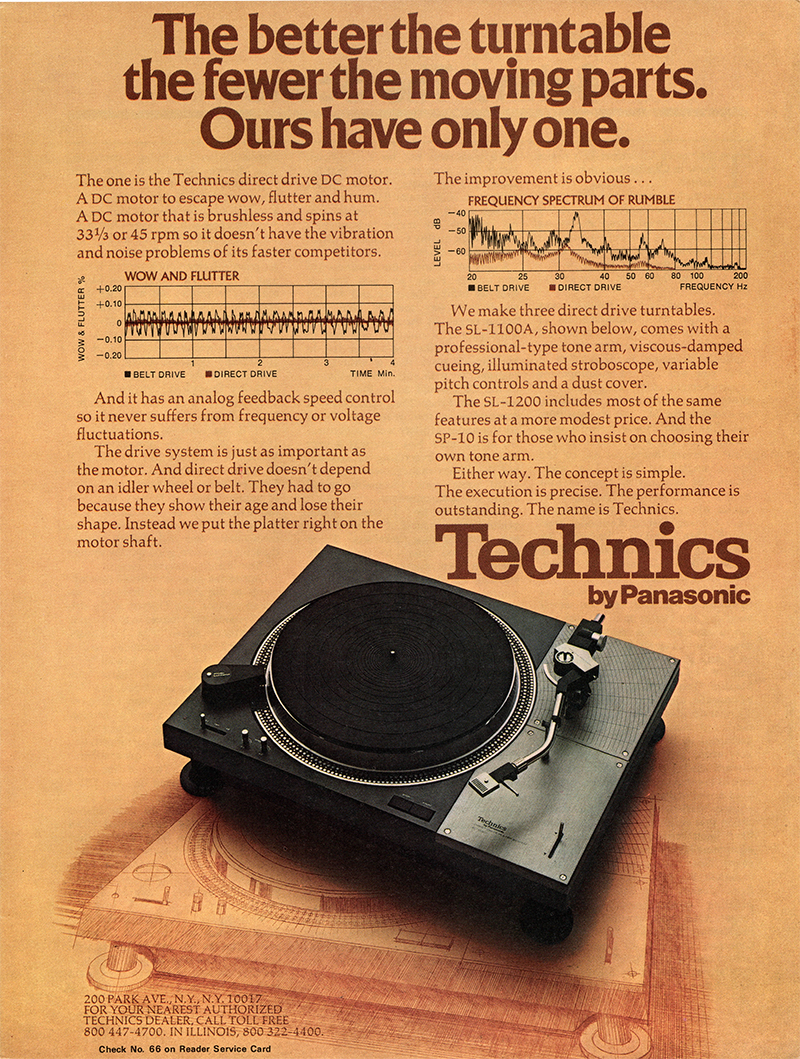
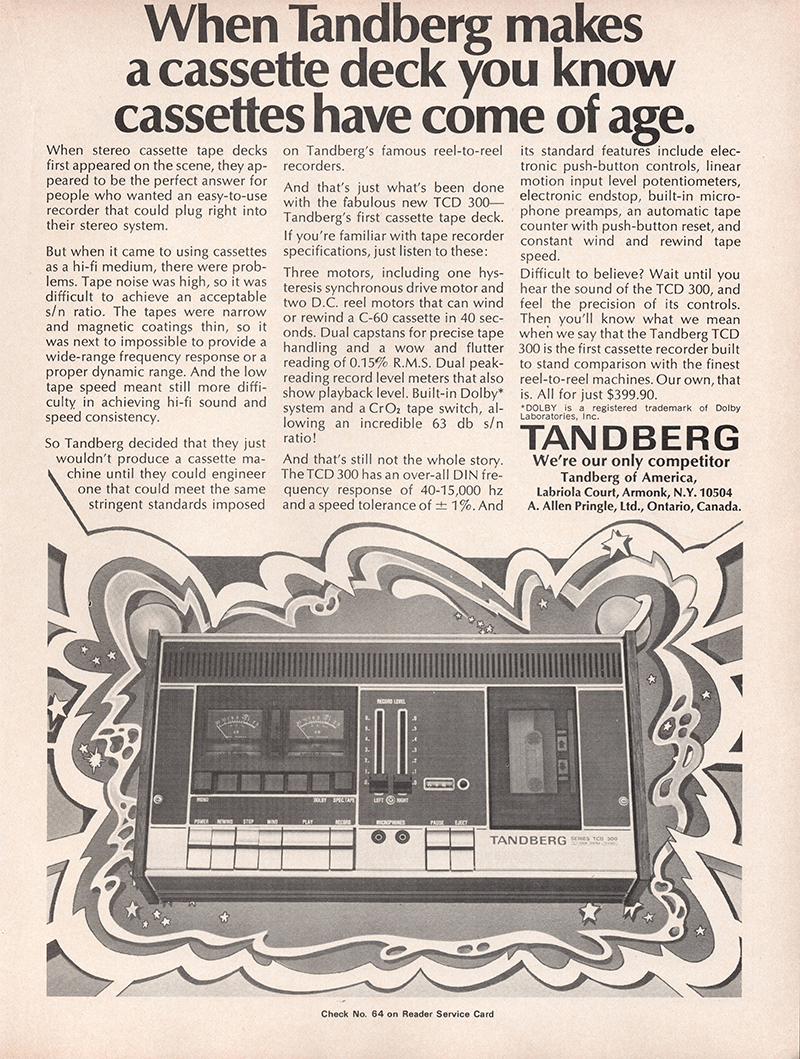
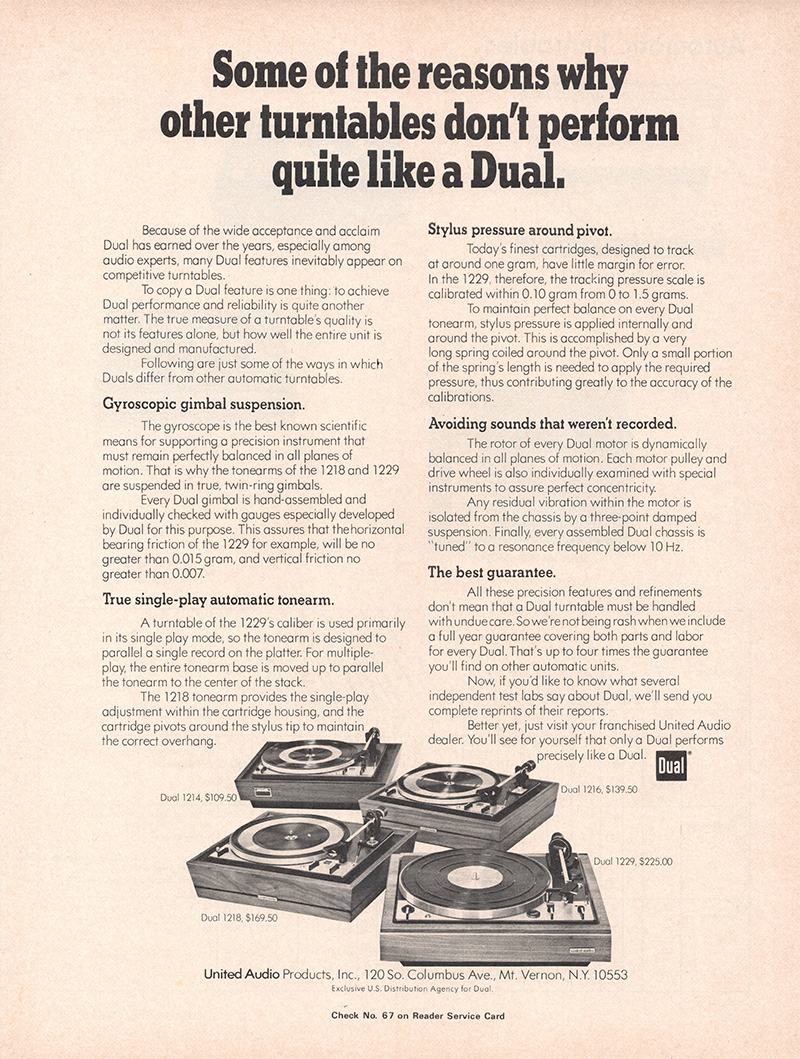
Away from the showroom, 1973 produced one of the most consequential moments in the history of audio equipment, even if nobody selling hi-fi gear at the time would have recognized it. In August, at a back-to-school party in the Bronx, a young DJ named Kool Herc used two turntables — Technics' rugged, DJ-friendly SL-1100, released a couple years earlier — to isolate and repeat the instrumental "break" section of a record, switching between two copies to extend it indefinitely. That technique is widely credited as the founding moment of hip-hop DJ culture, and it turned equipment built for home listening rooms into tools for an entirely new art form. On the manufacturing side, Technics also introduced the first three-head recording technique in a cassette deck this year, the RS-279US, pushing cassette fidelity another step forward.