1967 in Hi-Fi
(16 ads)
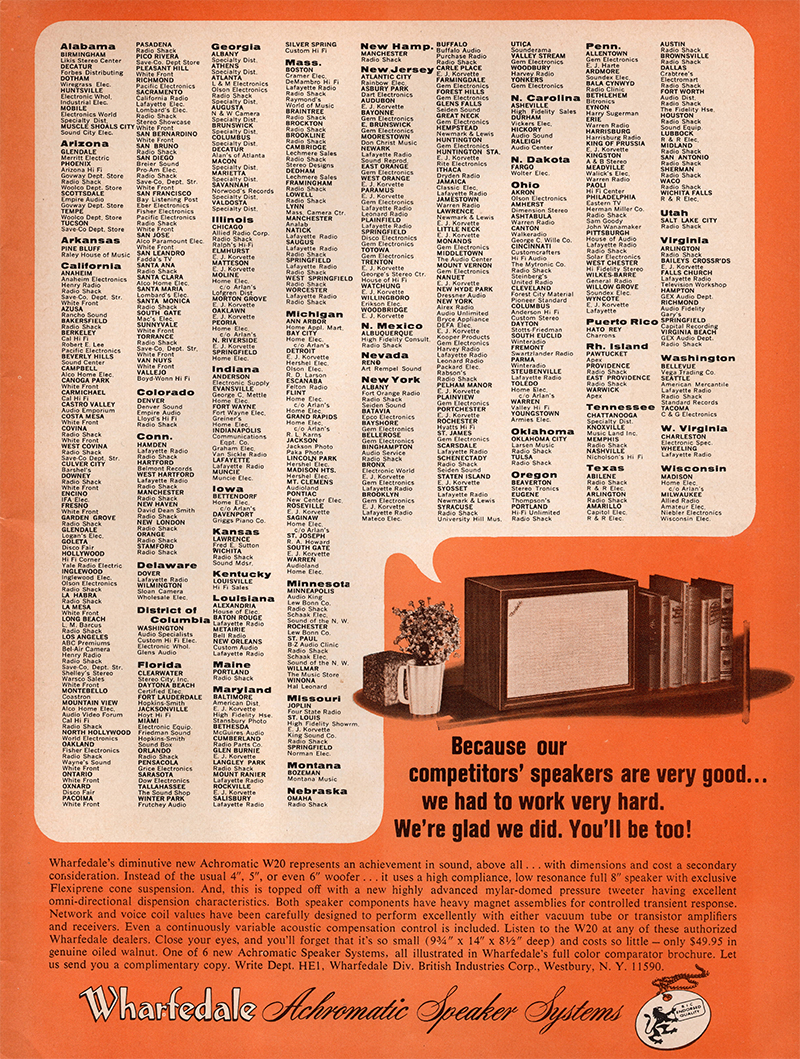
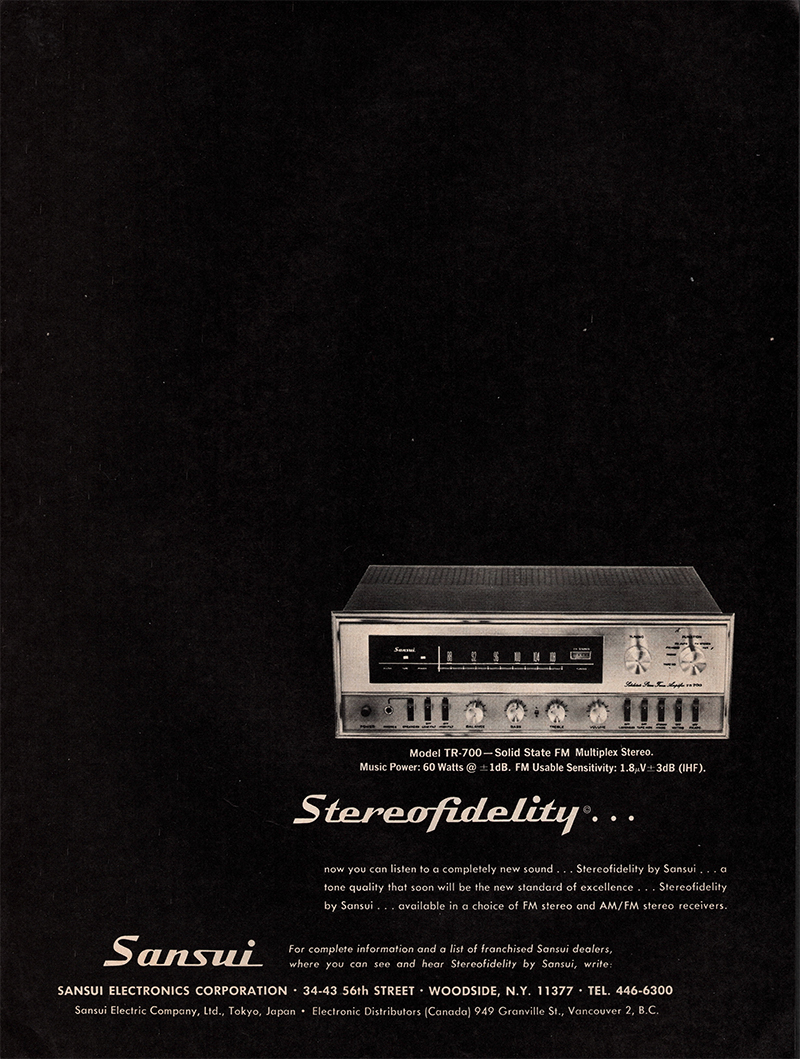
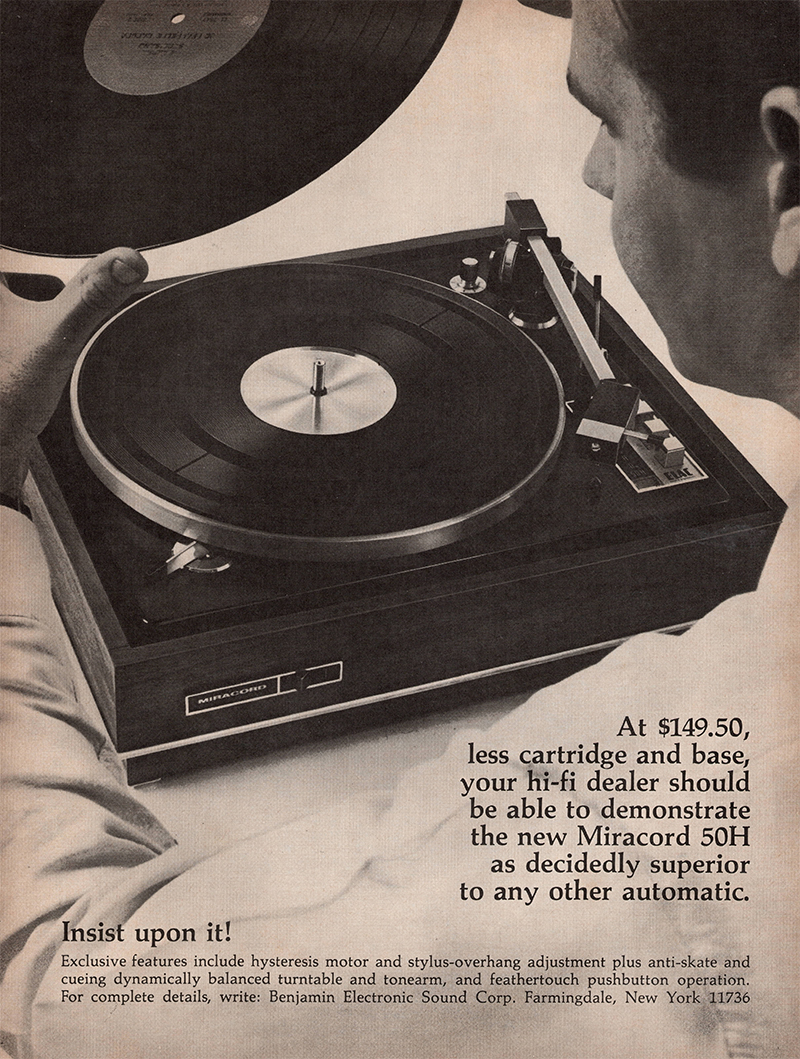
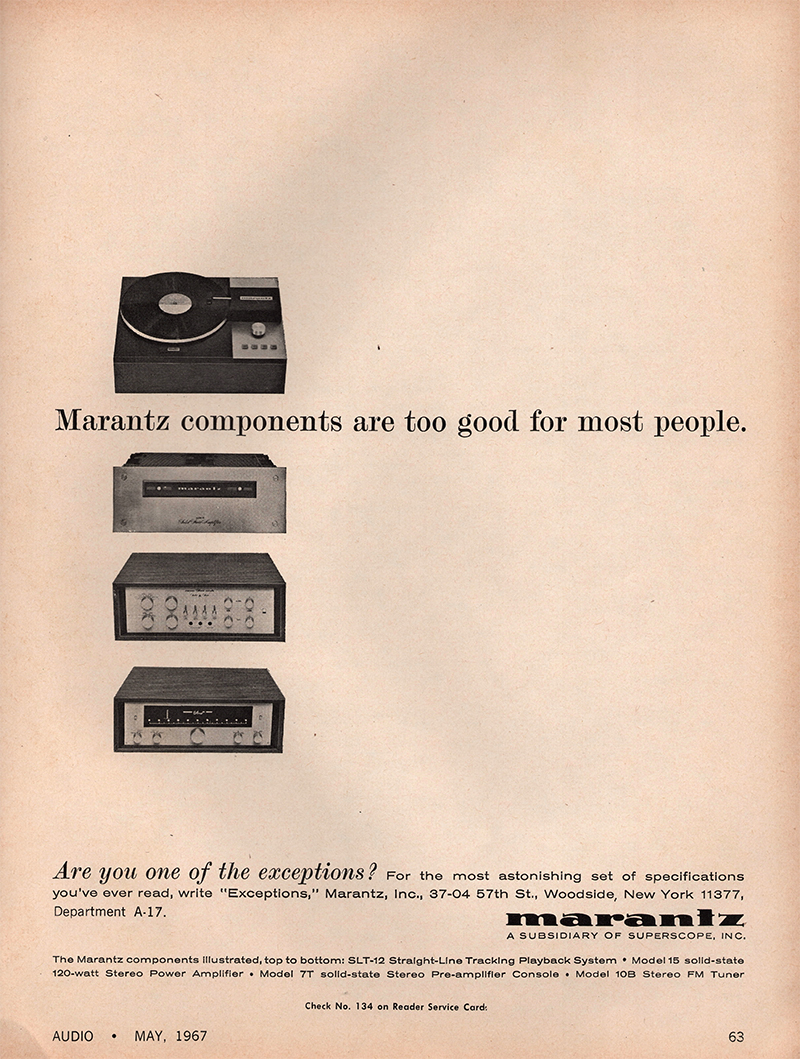
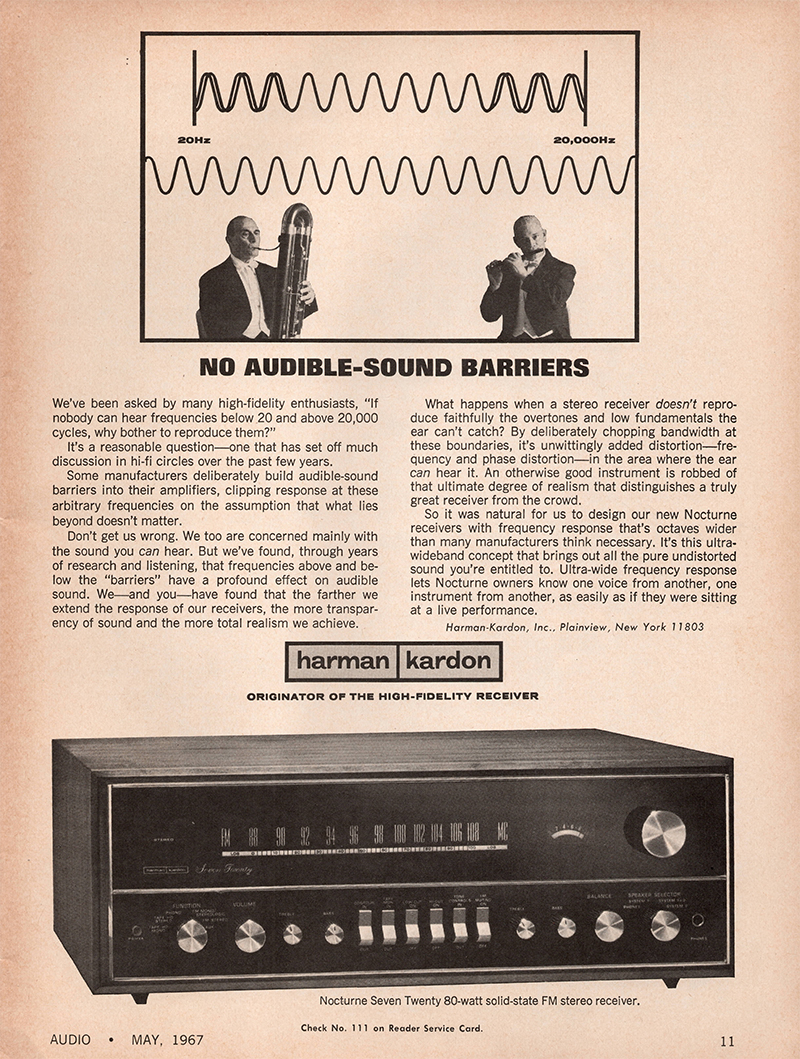
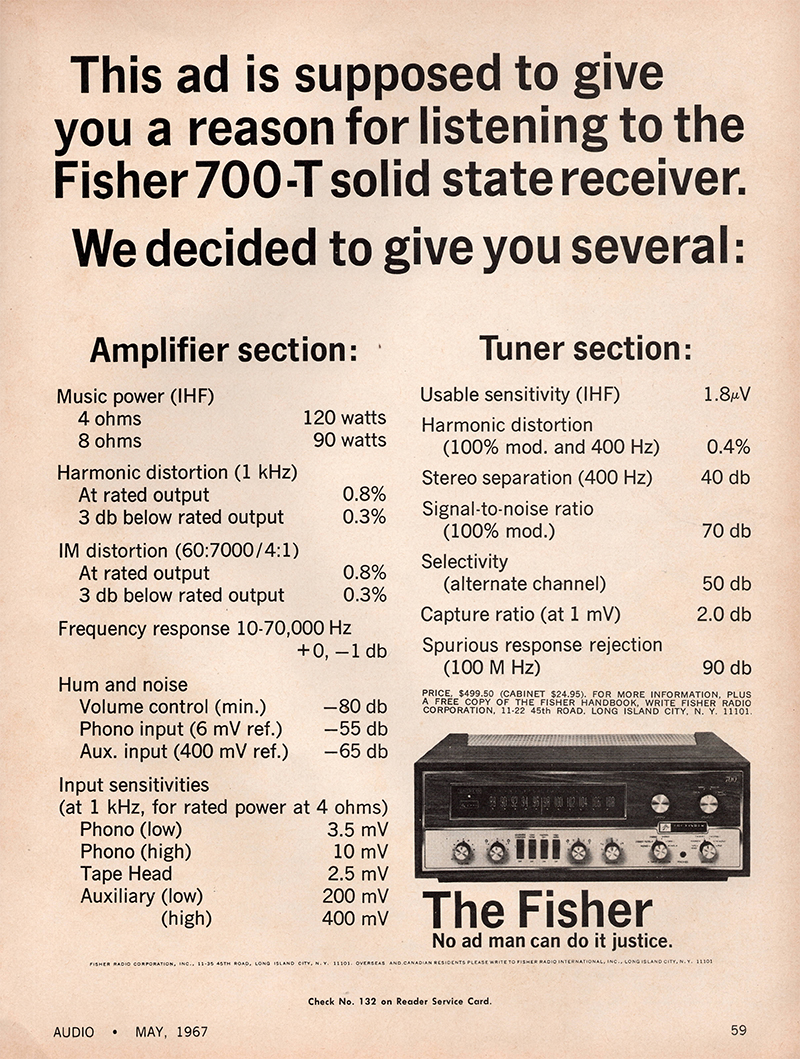
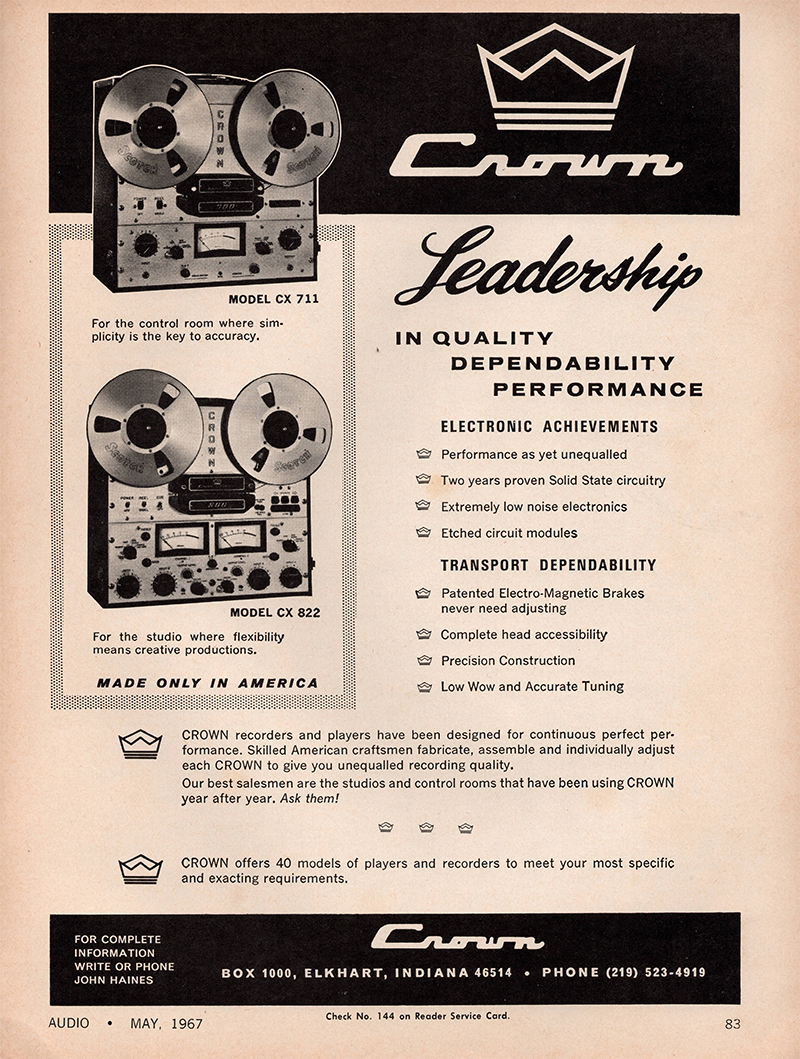
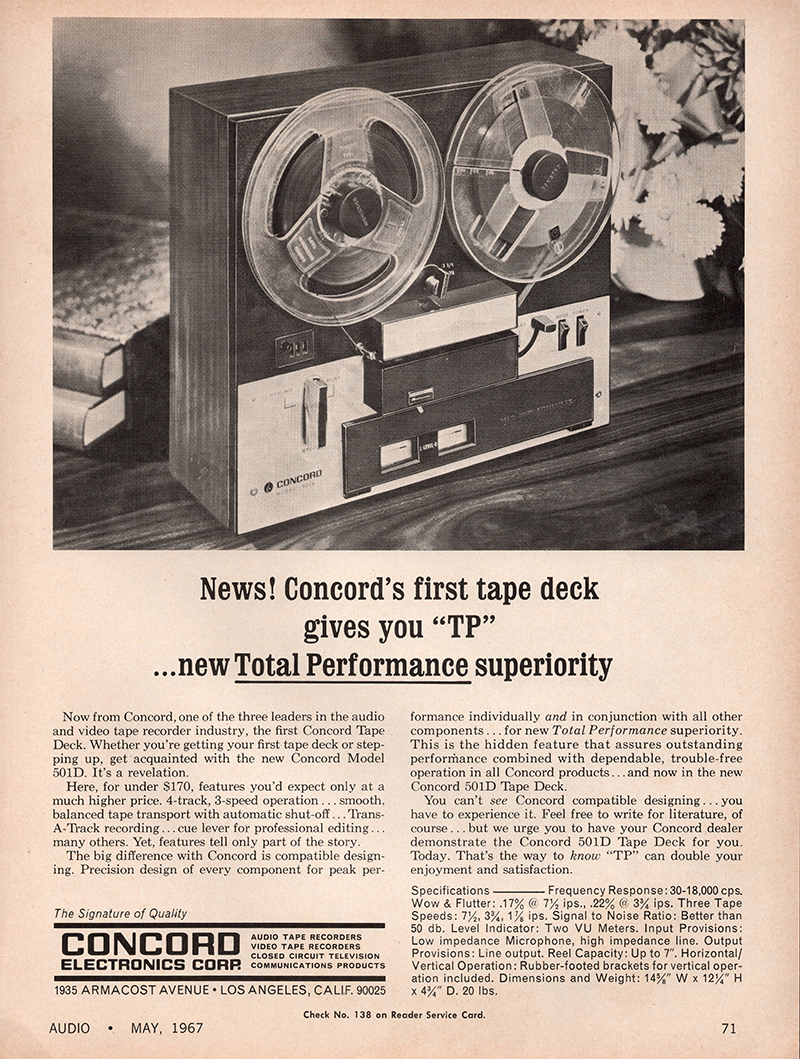
By 1967, home audio was in the middle of a real shift. Tube-based all-in-one consoles, which had dominated living rooms through the early '60s, were steadily losing ground to solid-state component systems: separate tuners, amplifiers, and turntables sold individually rather than bundled into a single cabinet. Manufacturers like Marantz and Garrard were pushing this component approach hard in their advertising, framing it as a more serious, more flexible way to listen than the furniture-style consoles of the previous decade.
Yamaha entered the hi-fi speaker market this year with its first dedicated models, the NS-20 and NS-30 — a small but telling sign of how many manufacturers were racing to establish themselves as serious audio brands rather than general electronics makers. This is also the tail end of what audio historians sometimes call a rough patch for the industry: the pace of innovation had slowed since the stereo conversion of the early '60s, and it would take the solid-state transition to bring real momentum back.
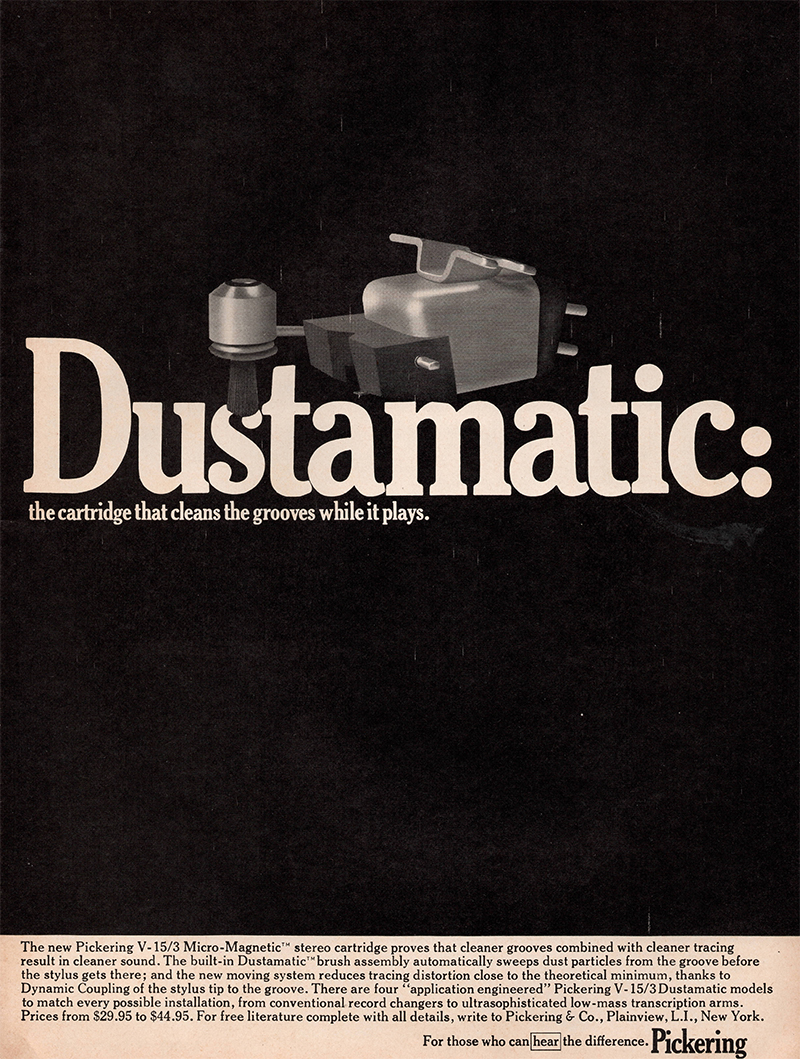
The ads from this year capture that in-between moment — some still selling the console lifestyle, others already speaking the language of components and specs that would define the next two decades.